
A new report by the European Business Competitiveness Index places Milan fifth among Europe's most competitive cities, citing financial infrastructure, talent concentration, and logistics connectivity.
A comprehensive new report by the European Business Competitiveness Index has placed Milan among the top five business hubs in Europe for 2025, reinforcing Lombardy's position as Italy's undisputed economic powerhouse and one of the continent's most attractive destinations for corporate investment.
The index, which evaluates cities across 24 indicators including financial infrastructure, talent availability, transport connectivity, regulatory environment, and quality of life, awarded Milan particularly high marks for its concentration of financial institutions, its world-class Malpensa and Linate airports, and its dense network of professional services firms.
Lombardy's Economic Dominance
Lombardy accounts for approximately 22% of Italy's total GDP — a staggering figure for a single region. With over 800,000 registered enterprises and a population exceeding 10 million, the region represents the single largest concentration of business activity in the country.
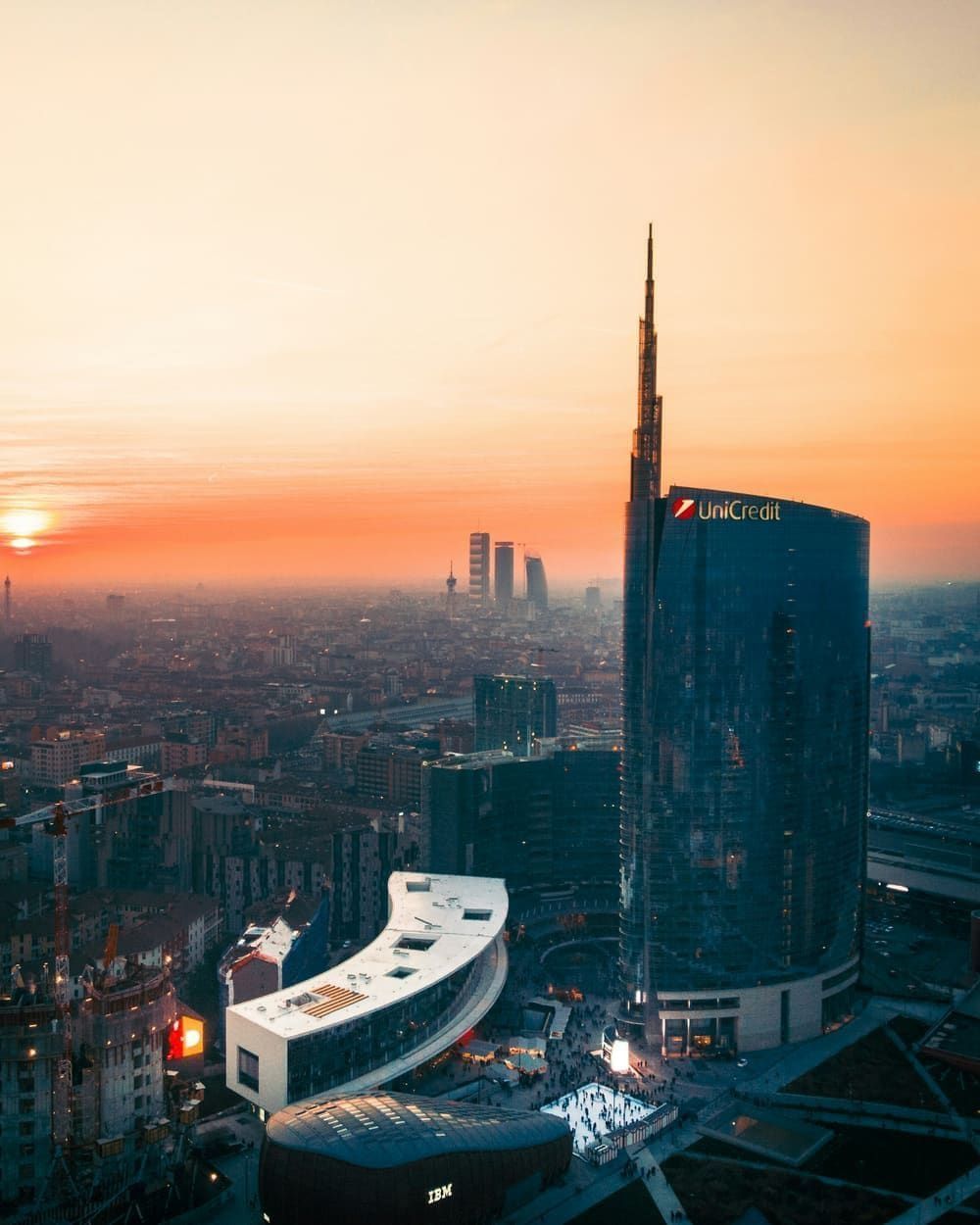
Milan itself hosts the headquarters of more than 30 Fortune Global 500 companies and is home to Italy's main stock exchange, Borsa Italiana. The city's financial district — stretching from Porta Nuova to Città Studi — has attracted billions in real estate investment over the past decade.
Key Strengths Identified
The report highlighted several areas in which Milan excels compared to other European cities. The logistics and supply chain infrastructure, anchored by major intermodal hubs in Segrate, Melzo, and Piacenza, enables rapid distribution across Southern Europe. Milan's universities, including Bocconi, Politecnico di Milano, and the Università degli Studi, produce over 40,000 graduates annually, creating a deep talent pipeline for local companies.
Additionally, the fashion and design ecosystem — centred around Via Montenapoleone and the Brera Design District — generates cultural soft power that attracts international buyers, investors, and creative professionals from across the globe.
Investment Outlook
Business leaders and investment managers quoted in the report expressed strong confidence in Milan's trajectory. Foreign direct investment into the Lombardy region reached a record €8.4 billion in 2024, with the technology and life sciences sectors leading inflows. The report forecasts continued growth through 2027, driven by ongoing infrastructure projects including the upgrade of Malpensa Airport and the expansion of the Metro M4 line.
For companies considering expansion into Southern Europe, Milan and Lombardy represent a compelling combination of market access, talent, infrastructure, and business culture.